By Aliah Pacalna Cali-Pascan, DPA, JD., SH. L
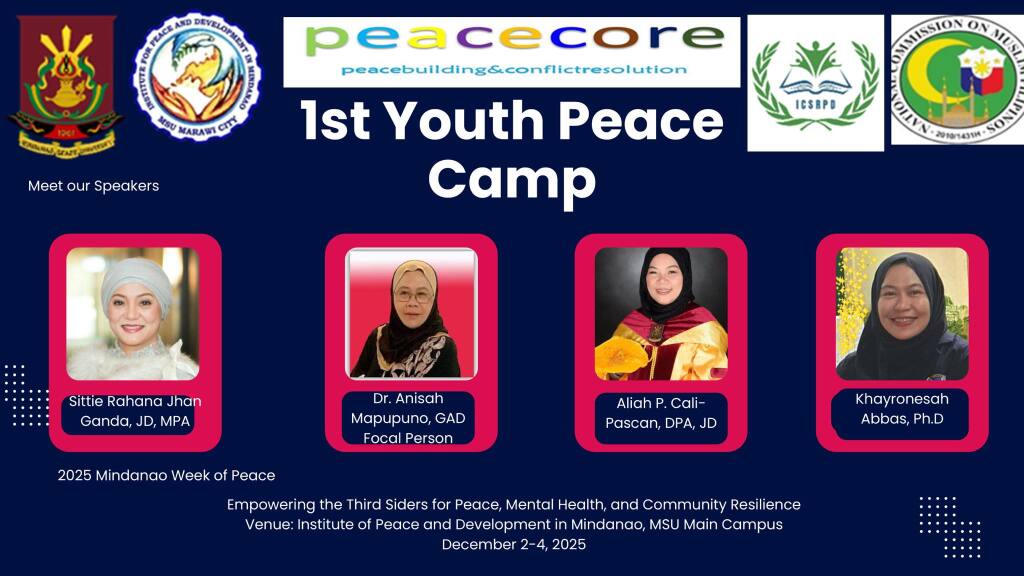
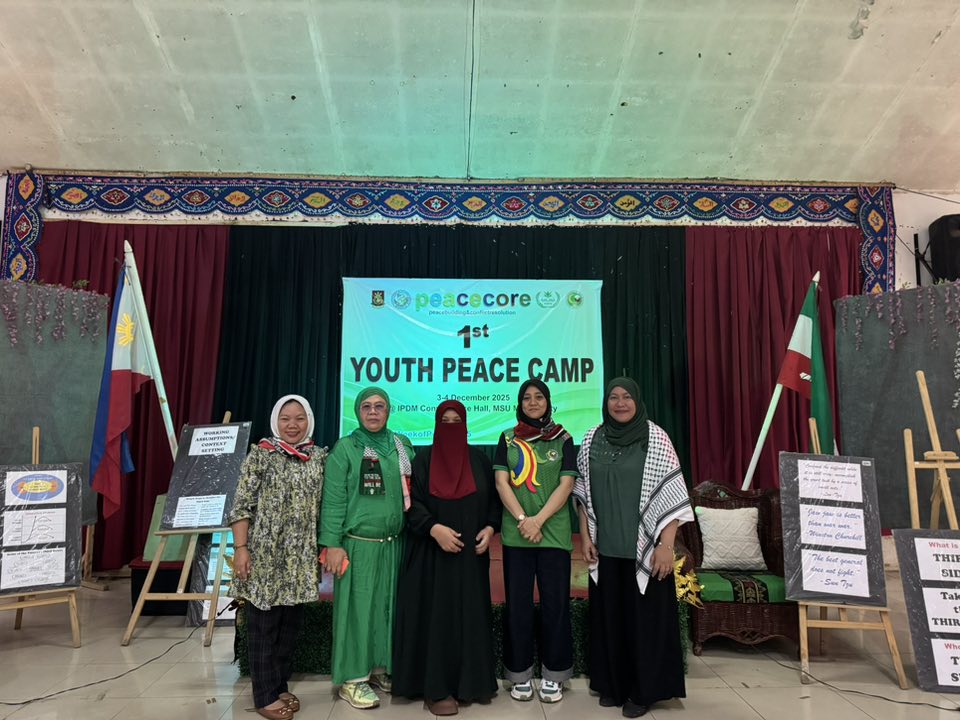
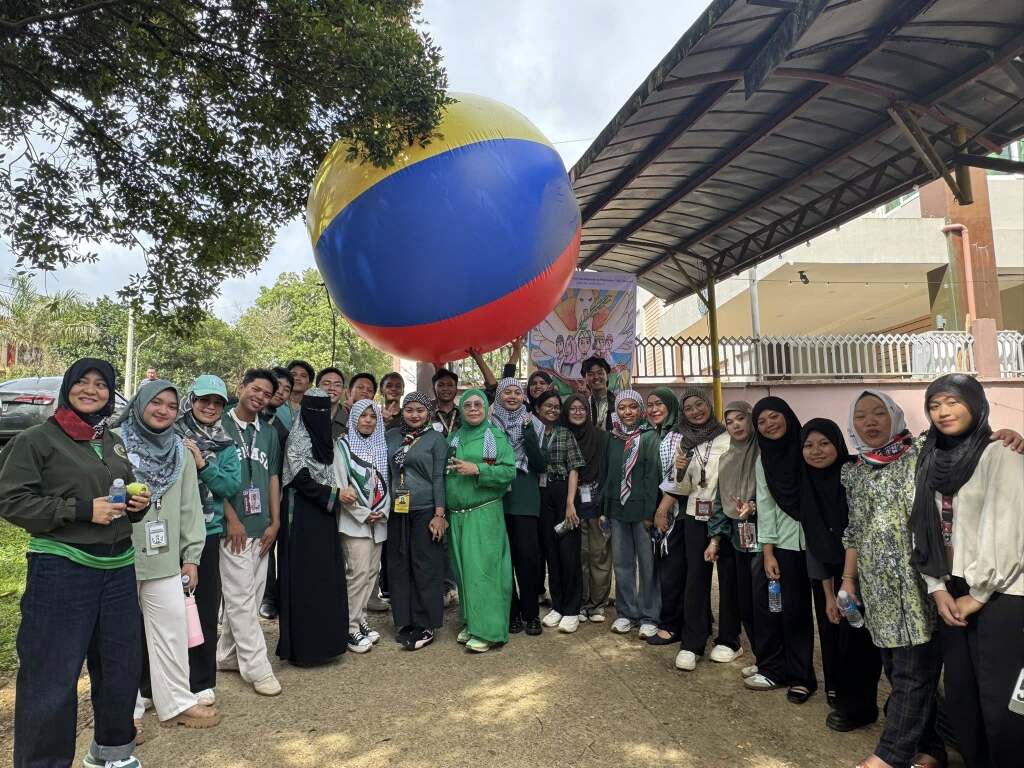
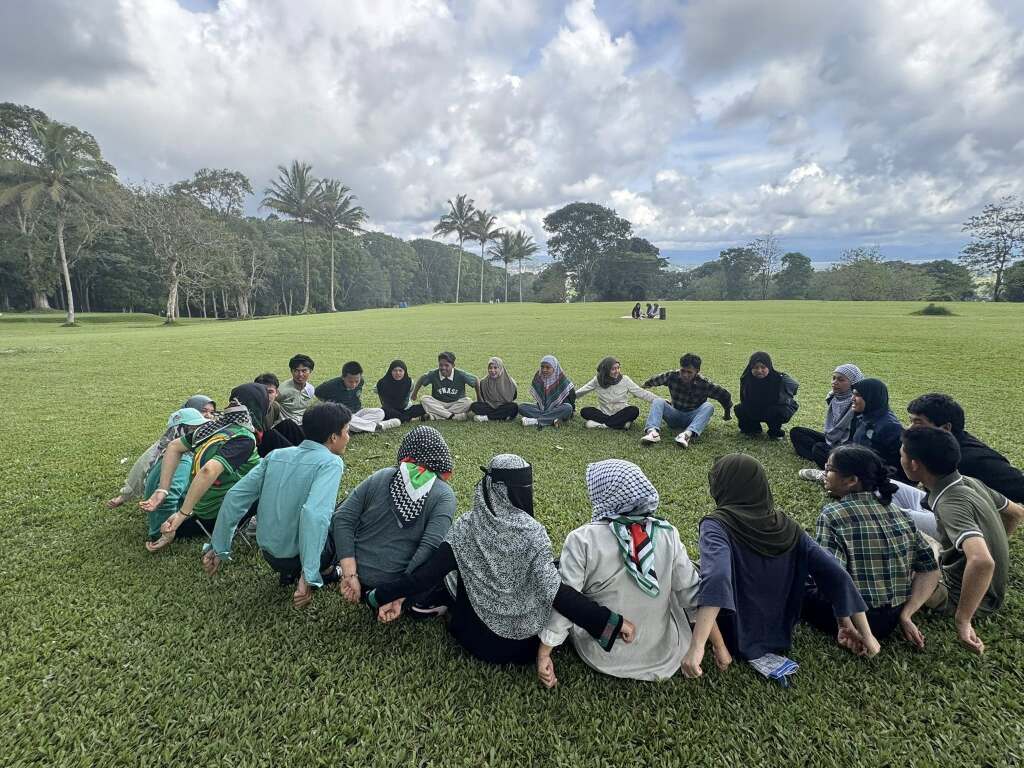
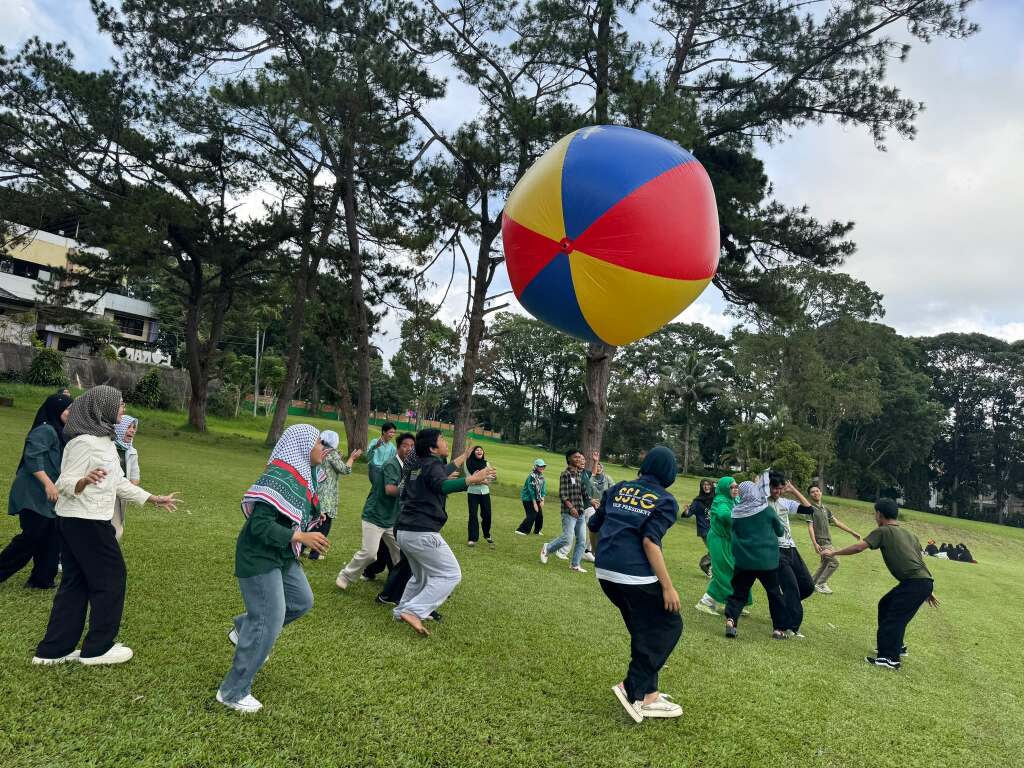
MARAWI CITY, Philippines—The 1st Youth Peace Camp 2025: Empowering the Third Siders successfully wrapped up its three-day program last December 2-4, 2025 at the MSU Main Campus, concluding a highly impactful initiative that reinforced the pivotal role of young leaders in conflict resolution and community resilience during the Mindanao Week of Peace. This vital activity was jointly organized by the Institute of Peace and Development in Mindanao (IPDM) and the NCMF Lanao, with crucial support provided by PeaceCoRe and the International Center for Social Research, Peace and Development (ICSRPD). The camp’s foundational theme focused on nurturing “peace within” as an essential prerequisite for effective external action in the community. The comprehensive training spanned three days, beginning with Day 1: Foundations of the Third Sider, which focused on self-identity, community building, and basic mediation skills. This session notably introduced William Ury’s “Third Sider” concept and established its alignment with core Islamic values like Wasatiyyah (Moderation) and Hikmah (Wisdom).
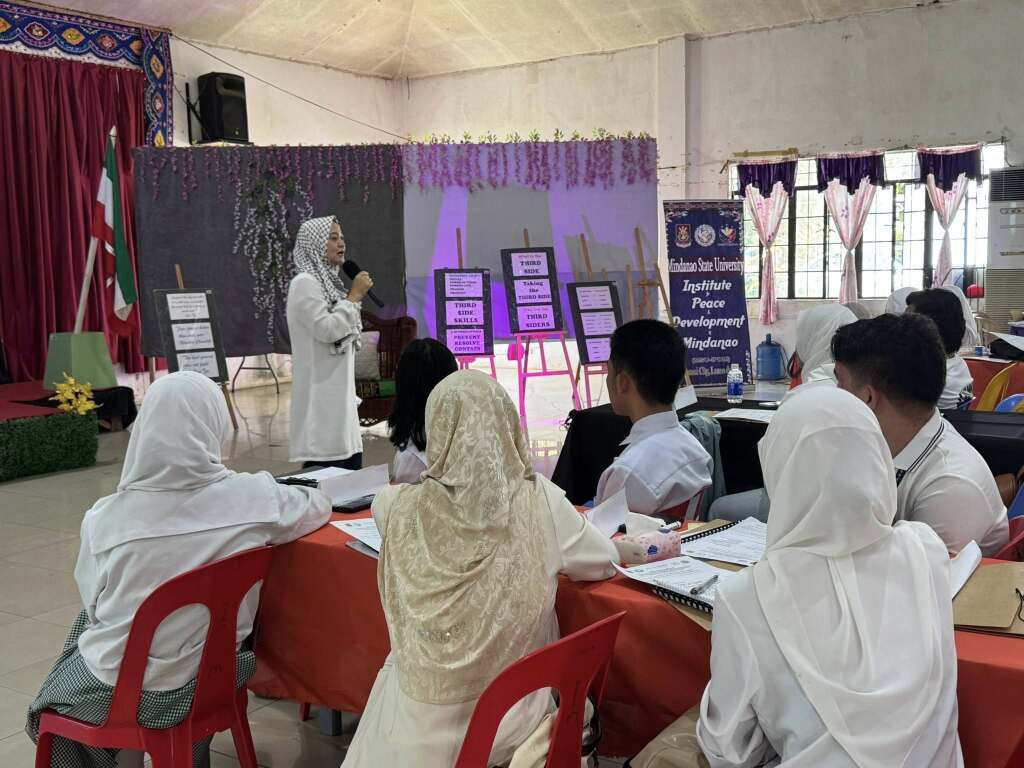
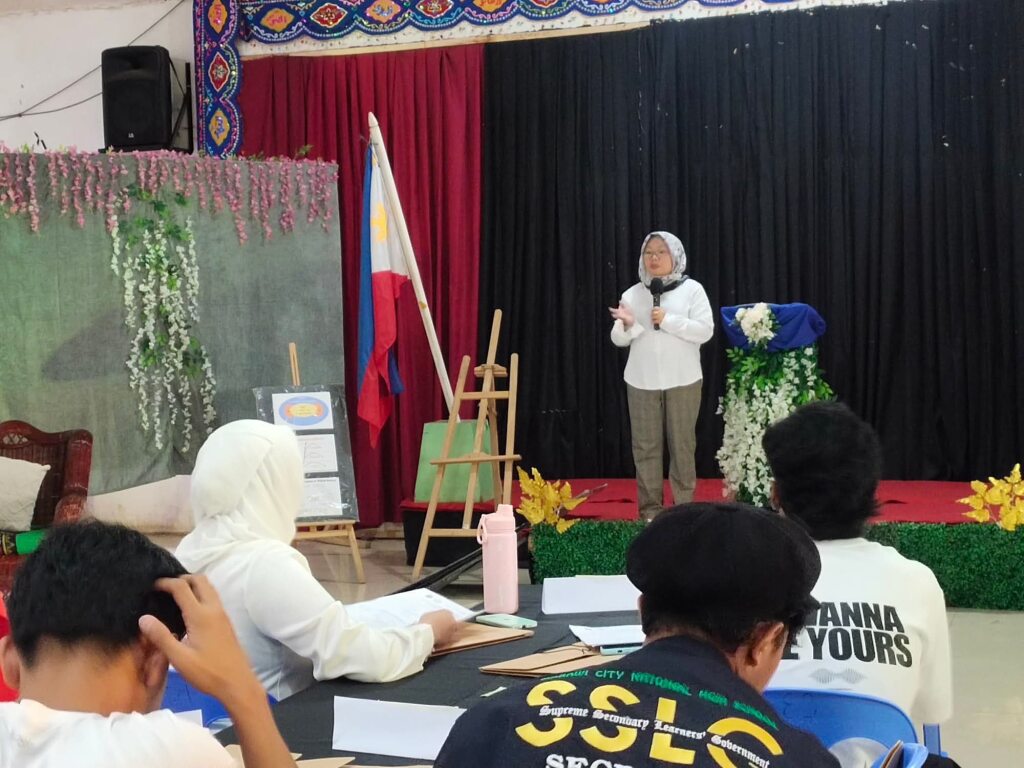
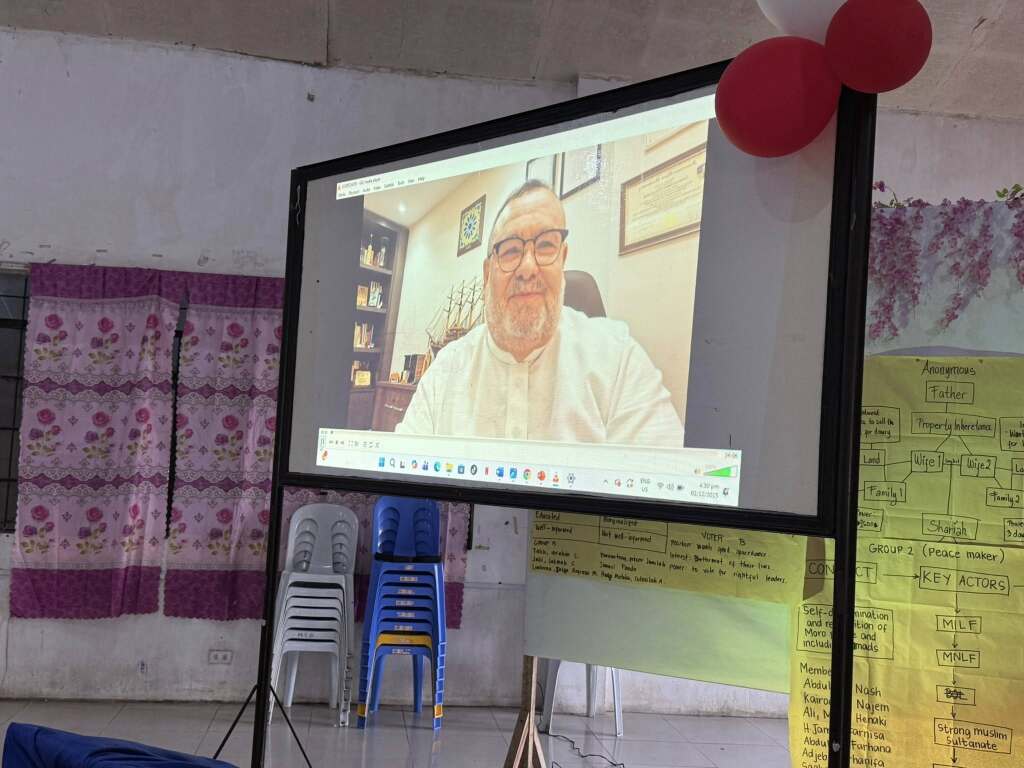
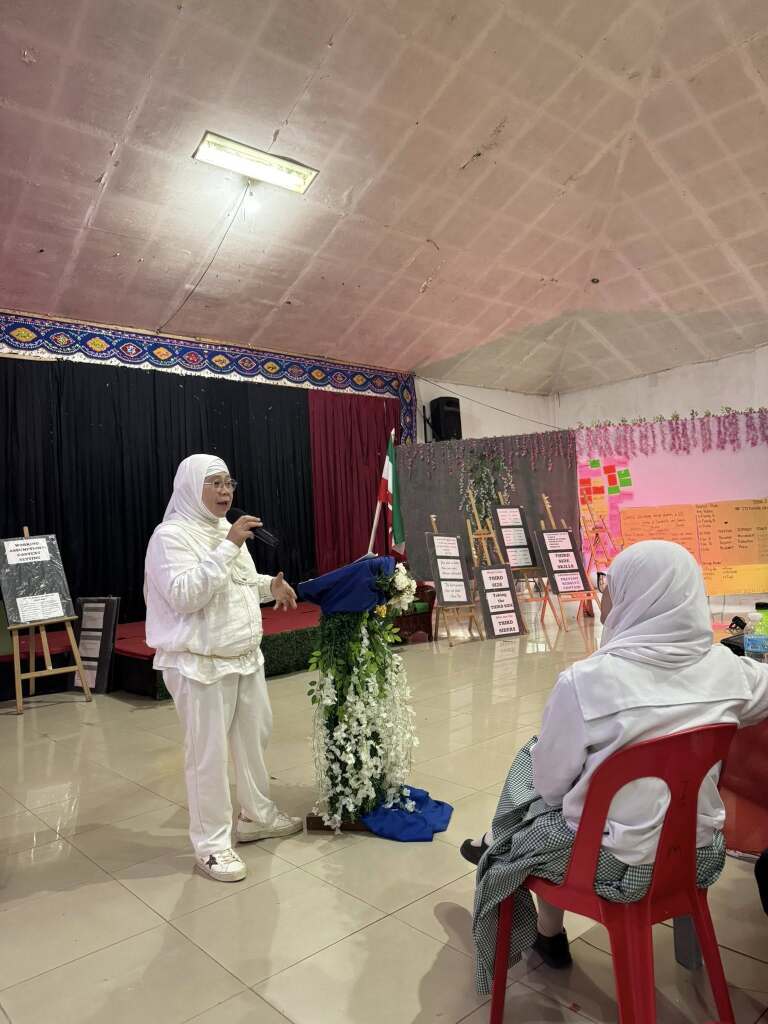
Day 2: Purpose and Action saw Engr. Ossama Alazzouni of ICSRPD challenging the youth to define their purpose beyond personal gain and to boldly “Love Your Tribe, But Don’t Worship It,” emphasizing openness and bridge-building across groups. The second day also included critical sessions on Stress Management and Youth Transformative Leadership under Dr. Aliah P. Cali-Pascan, which featured practical training in effective communication and peace proposal drafting.
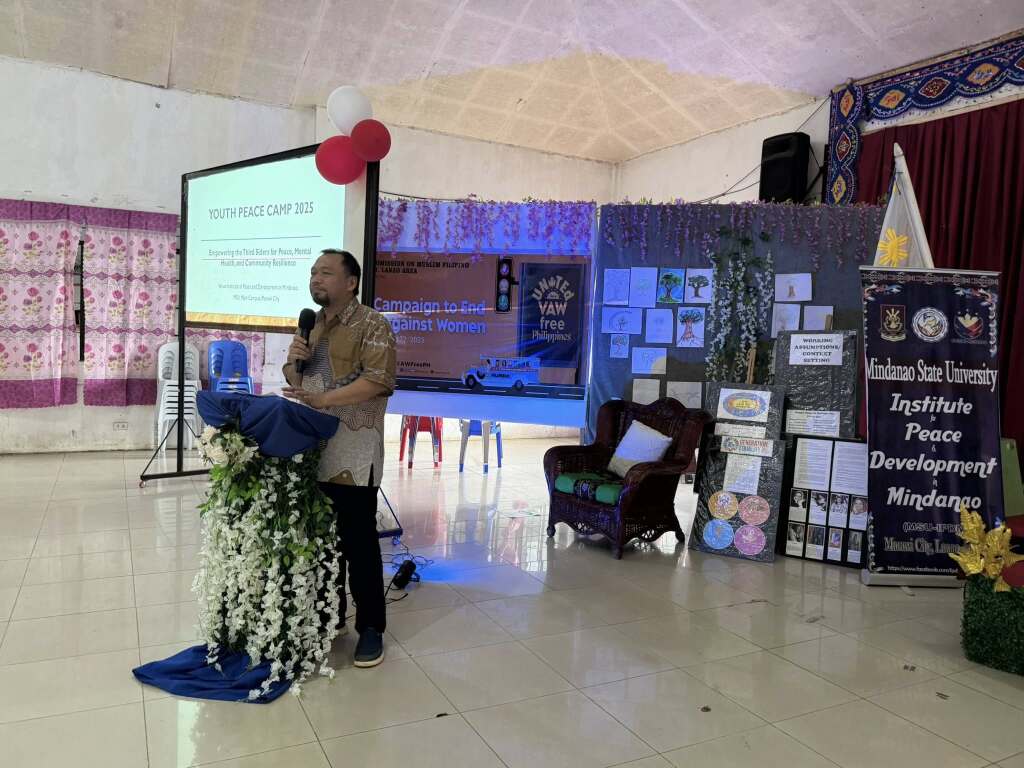
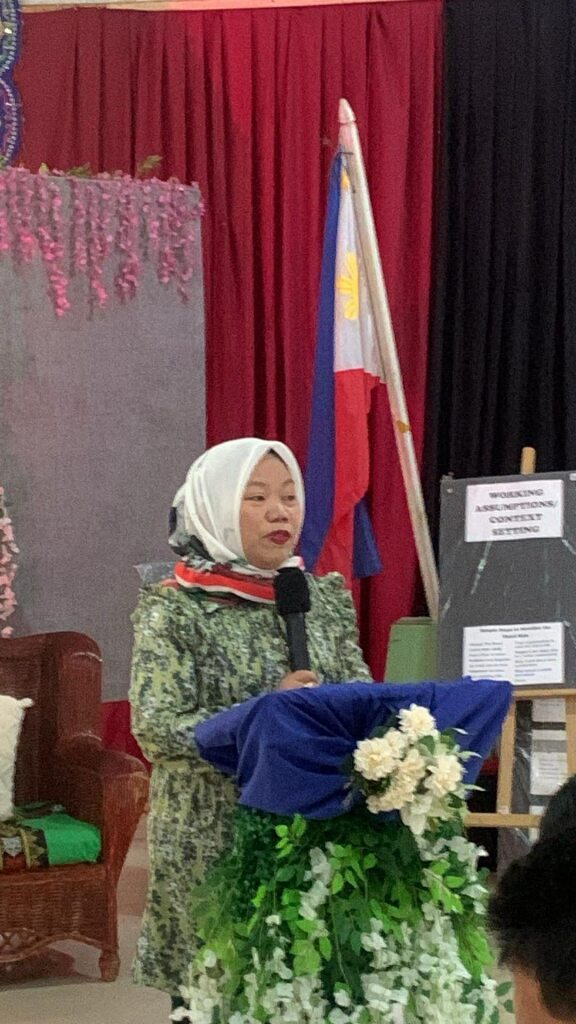
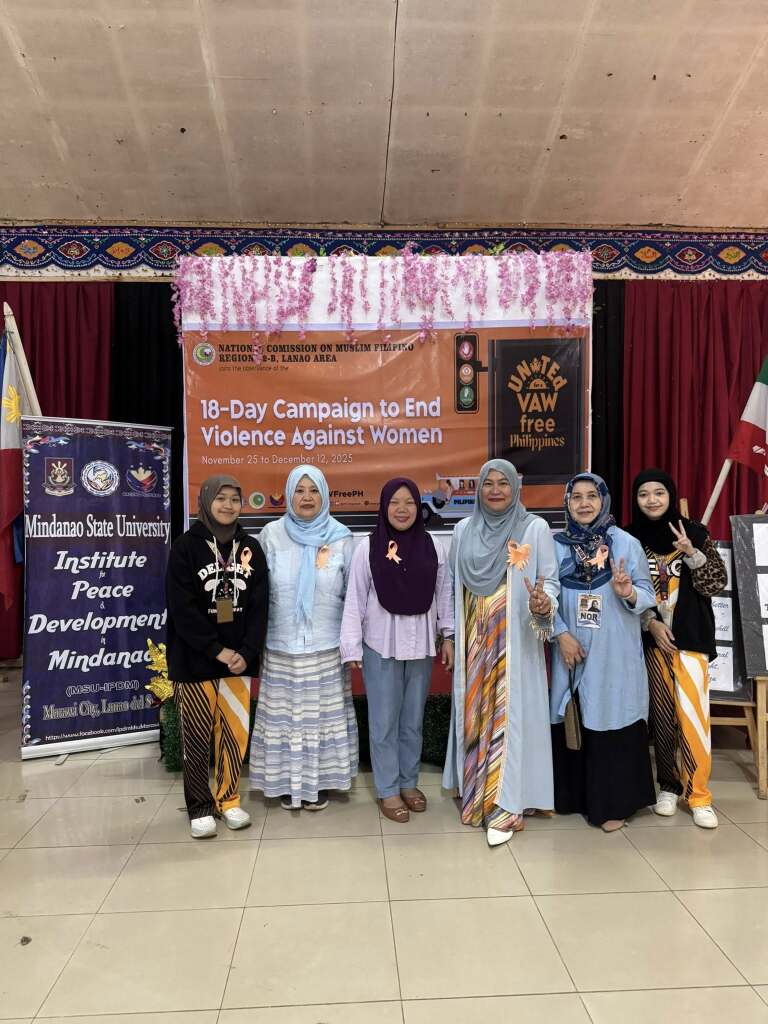
The final day, Day 3: Commitment and Resilience, concluded the program with vital sessions on Awareness on VAWC (Violence Against Women and Children) and an Action Planning Workshop where youth leaders developed proposals for “Youth-Led Peace and Wellness Initiatives” for their respective communities. The camp culminated in a powerful Pledge of Commitment to Peace and an emotional closing ceremony that featured inspirational messages from key organizers. Ms. Hanalia Balas Edris stirred anticipation by announcing a sequel activity and the potential for participants to meet the founder of ICSRPD in February. Dr. Acram A. Latiph, Executive Director of IPDM, delivered a stirring inspirational message, urging the youth to embody patience and endurance in their difficult work and to be active catalysts for positive social change, sharing his own experiences to contextualize the peace journey. The profound impact of the camp was clearly articulated in the youth testimonials. Michelle shared that her perspective has been changed by actively participating in the camp, acknowledging the organizers for providing inspirations that clarified her life’s purpose. Fatmah expressed deep gratitude to the organizers for the comprehensive learnings received over the three days. Meanwhile, Talib committed to his role as a transformative leader, a Third Sider, and an effective peace catalyst moving forward. The 1st Youth Peace Camp successfully armed its young participants with essential skills, a foundational understanding of psychosocial resilience, and a renewed sense of purpose, ensuring that the legacy of peacebuilding in Mindanao is firmly in the hands of its next generation of empowered Third Siders.