By Aliah Pacalna Cali-Pascan, DPA, JD, SH.L
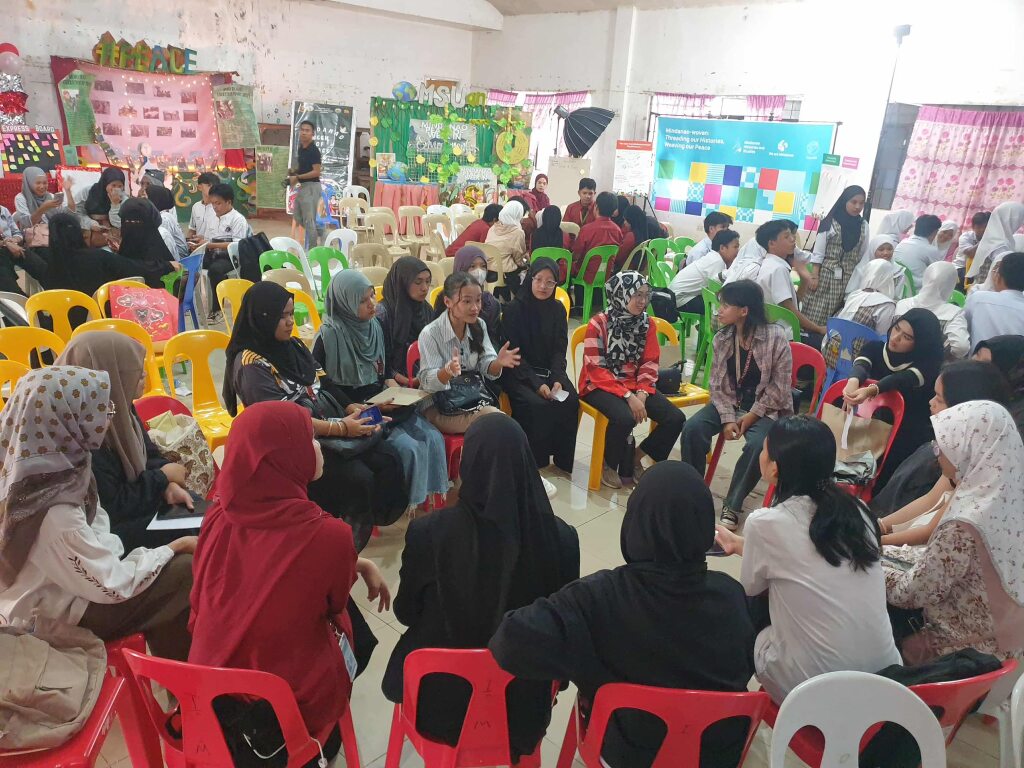
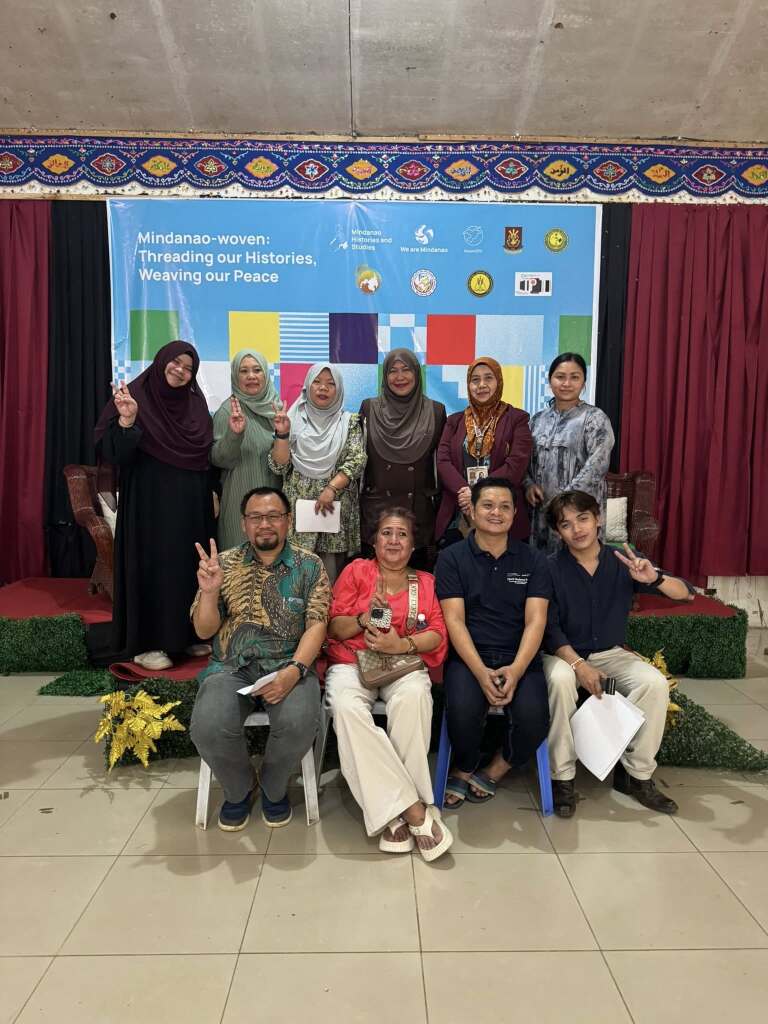
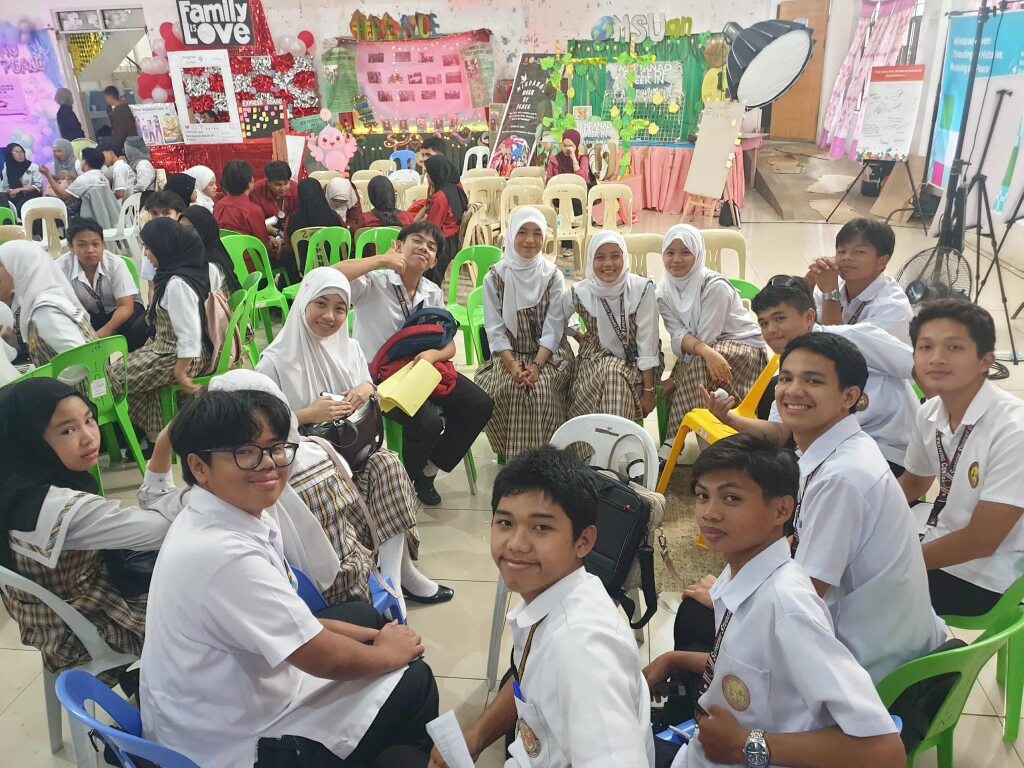
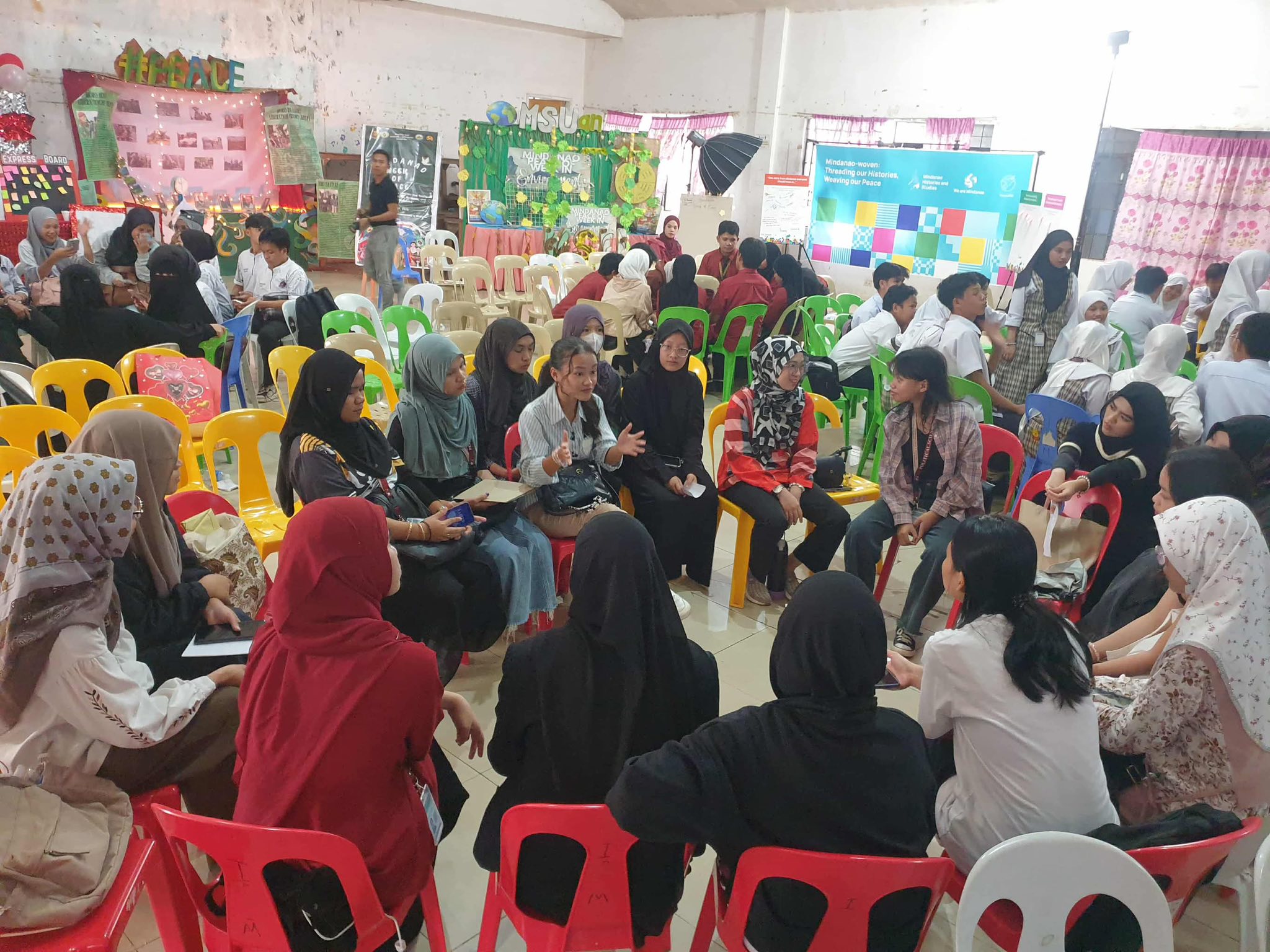
MARAWI CITY – Mindanao State University (MSU) – Marawi became a significant hub for peace dialogue on November 27, 2025, hosting the forum, “Mindanao-woven: Threading Our Histories, Weaving Our Peace.” This critical gathering, a joint effort by the Institute for Peace and Development in Mindanao (IPDM), the Mindanao Histories and Studies Advocacy Group (MHS-AG), and forumZFD Philippines – Civil Peace Service, brought together leading voices from the academe and civil society.
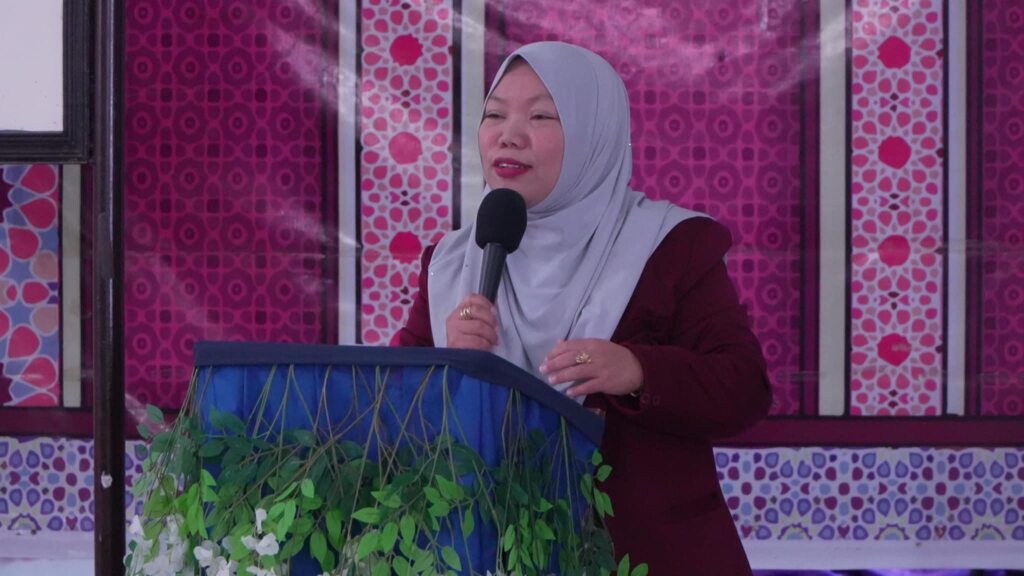
The central theme was the intricate and vital role of local histories and nonviolent conflict transformation in achieving lasting stability across the island. The day began with a series of insightful presentations that established a framework for peace and historical advocacy, following opening remarks by IPDM Peace Action Officer Aliah P. Cali-Pascan, JD, DPA, and forumZFD Project Manager Joseph Ajero. Project Officers from forumZFD—Lynnette Grace Tagalo, Rogelio Tabay Jr., and Fatima Star Usman Lamalan—shared critical updates and localized approaches to Nonviolent Conflict Transformation in diverse areas, including IP Communities in CARAGA, the ongoing Bangsamoro Peace Process in the BARMM, and among Islamized/Moro Indigenous Peoples in the Davao Region. Adding scholarly depth, Prof. Sharon Bulaclac introduced the crucial need for the Mindanao Histories and Studies (MHS) Advocacy, advocating for the mainstreaming of a Mindanao-centric historical narrative, while Lecturer Baelabi Sittie Jehanne Mutin presented a vision for Bridging Worlds: A Multi-Lens Journey in Peacebuilding. These discussions were further deepened in a stimulating Panel Discussion, moderated by MSU Marawi Executive Assistant Ayesha Merdeka M. Alonto, which explored the integration of historical context into peace praxis, followed by a dynamic Q&A with the diverse audience.
The formal proceedings concluded with a closing statement by Prof. Khayronesah Abbas and the launch of the “We Are Mindanao” content creation booth and MWOP booths, effectively transforming the intellectual discourse into tangible community engagement. The “Mindanao-woven” forum successfully reaffirmed the participants’ collective commitment to utilizing historical scholarship and nonviolent action as the indispensable fabric for sustainable peacebuilding in Mindanao.