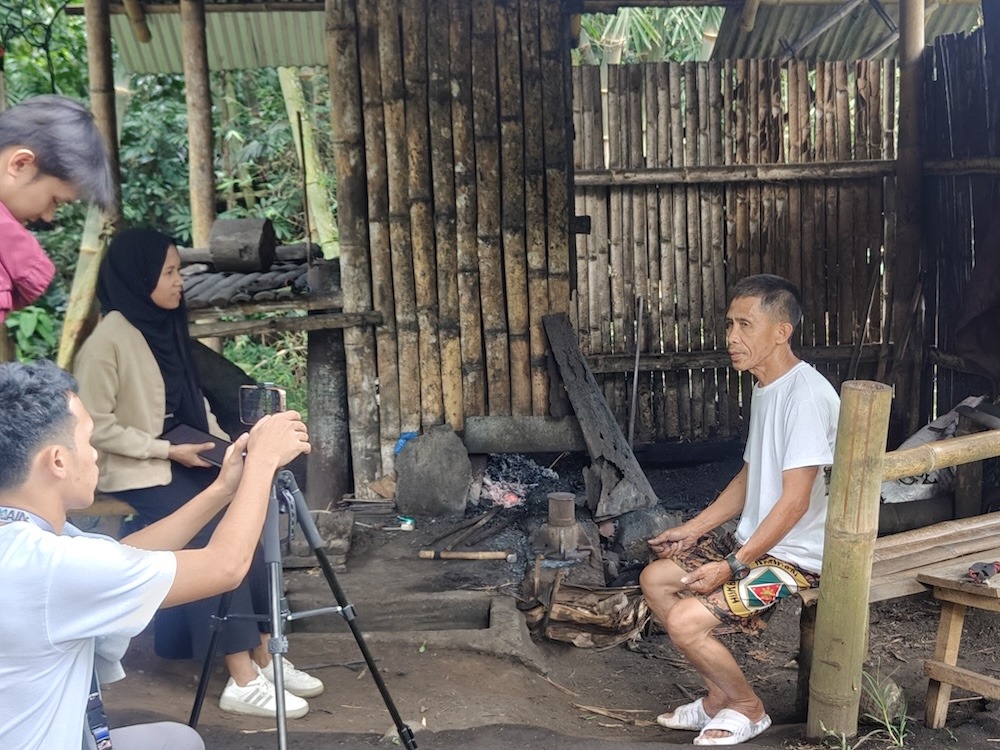
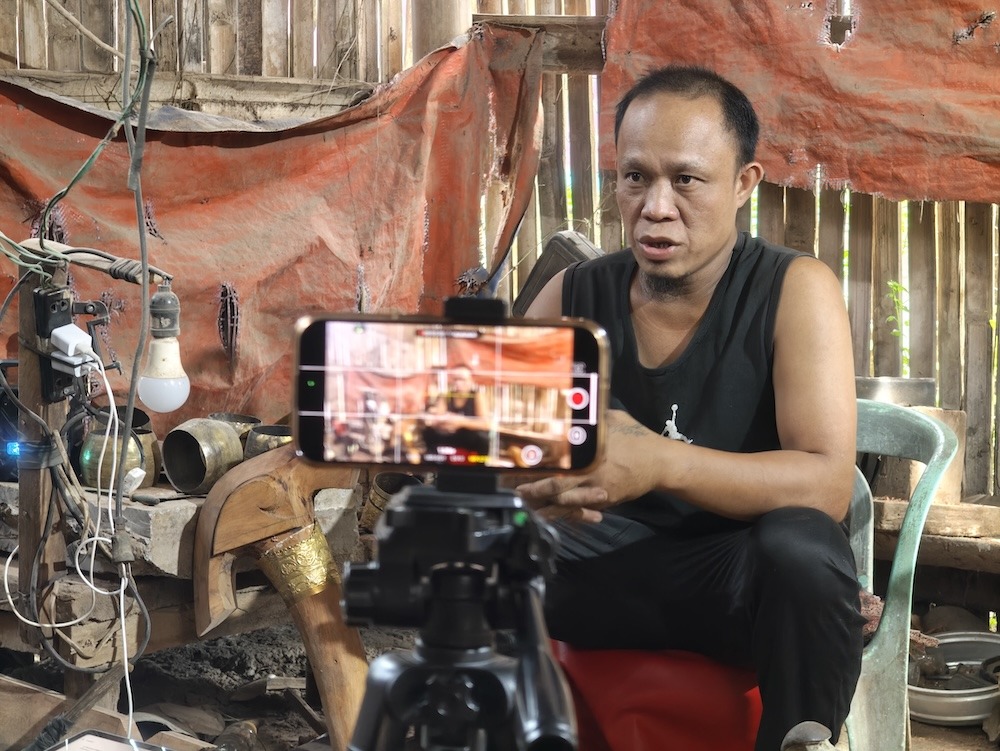
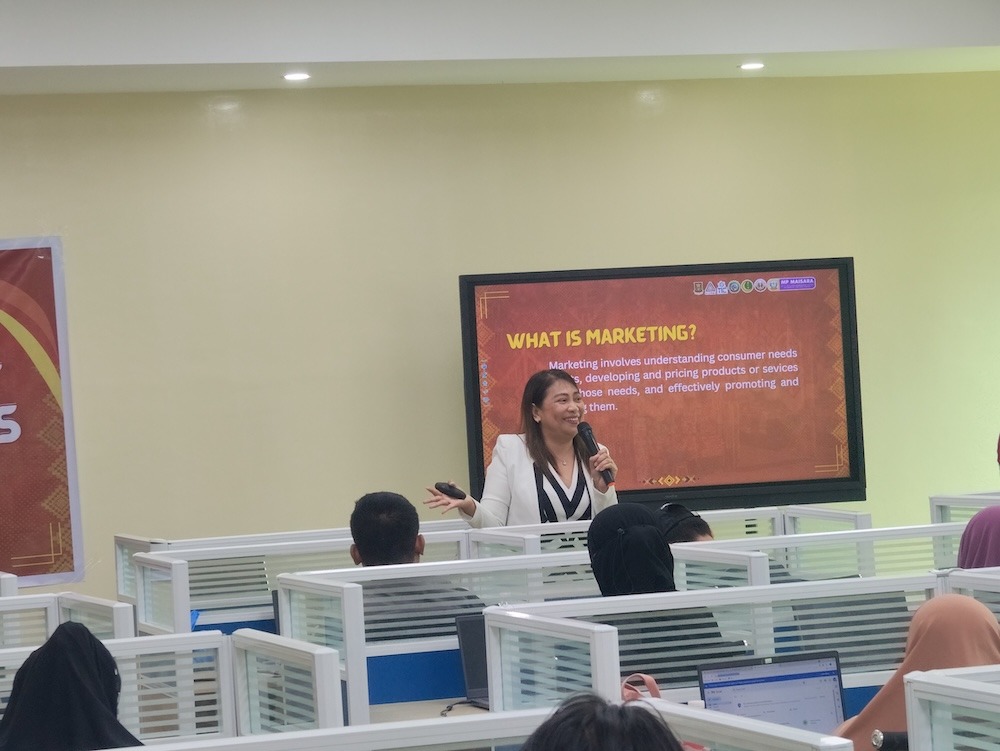
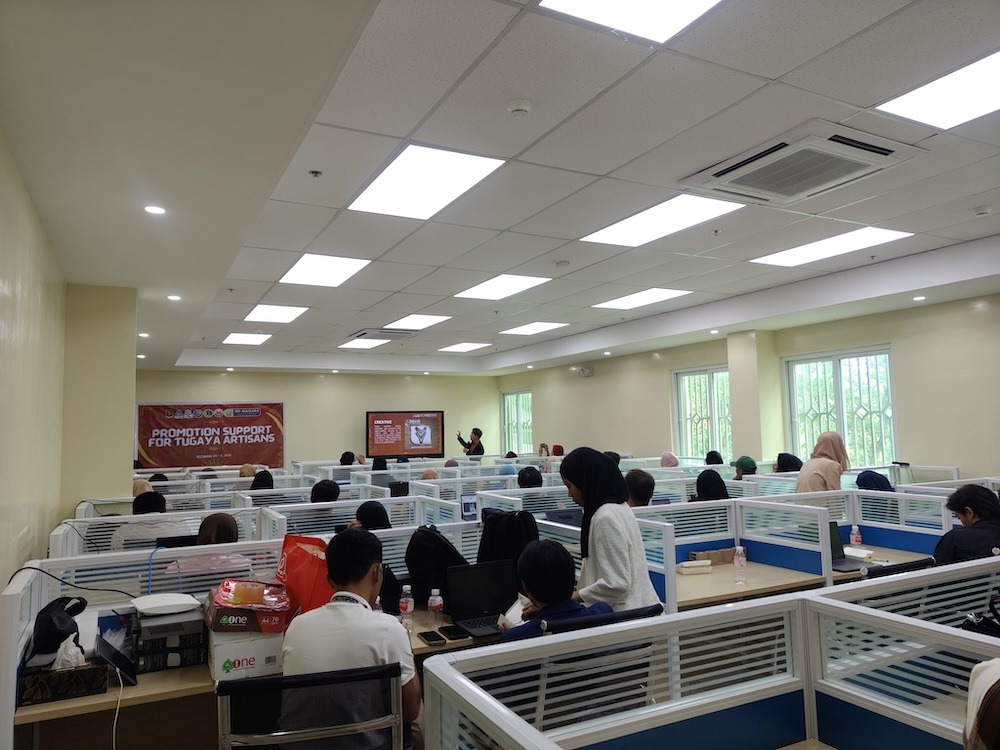
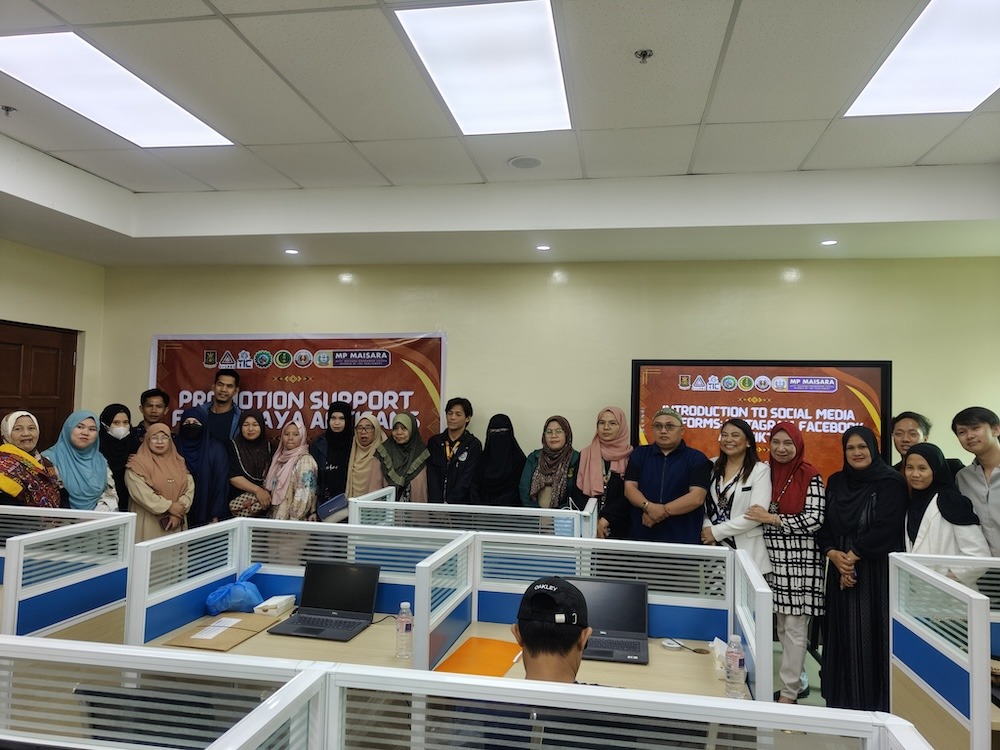
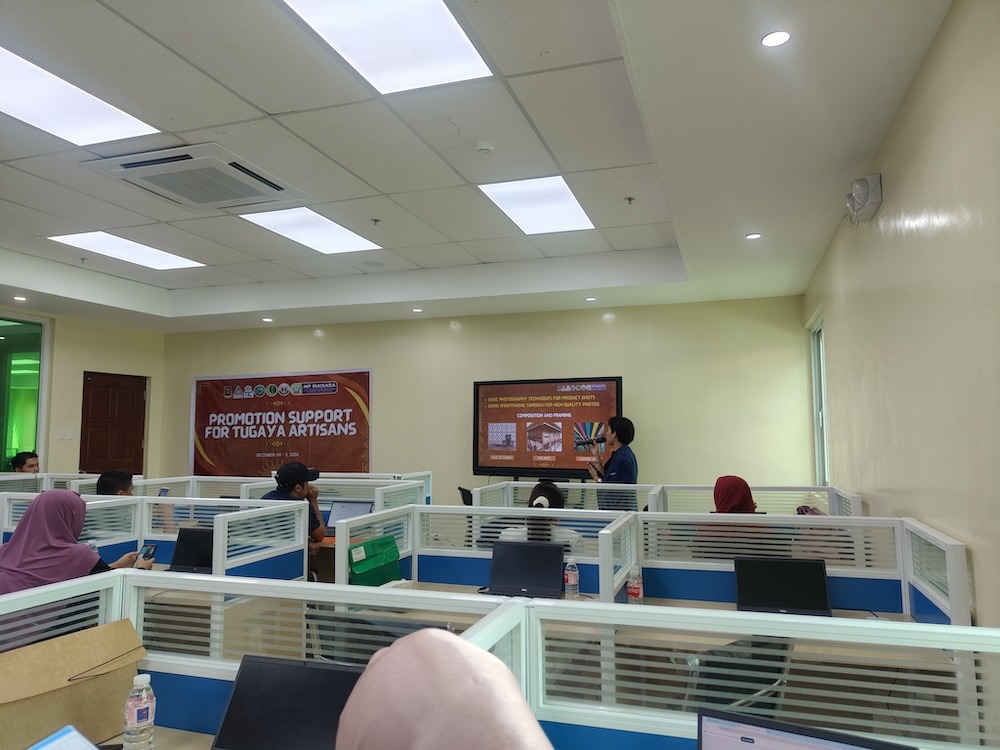
The Mindanao State University – Marawi City, through its Technology and Innovation Center (TIC), successfully implemented the extension project “Promotion Support for Tugaya Artisans” from November 2024 to January 2025 in the Municipality of Tugaya, Lanao del Sur. In collaboration with the Ministry of Trade, Investments and Tourism (MTIT) – Lanao del Sur and the Local Government Unit (LGU) of Tugaya, the initiative aimed to strengthen the market visibility and entrepreneurial capabilities of local artisans. A key activity was the Social Media and Digital Marketing Training conducted on December 11, 2024, attended by 28 artisan representatives (14 women and 14 men) from various cooperatives. The training equipped participants with practical skills in using Facebook, Instagram, and TikTok for product promotion, customer engagement, and business development. Complementary photo and video documentation activities conducted from December 2 to 7, 2024, showcased Tugaya’s traditional crafts, including Okir, mother-of-pearl inlay, weaving and embroidery, sequins and metal smithing, brass stamping, and brass casting.
The project generated promotional photographs, videos, and materials highlighting the craftsmanship, cultural identity, and stories behind Tugaya’s handcrafted products. These outputs helped introduce local products to wider audiences, generate market inquiries, and create potential sales opportunities. The initiative also contributed to the United Nations Sustainable Development Goals (SDGs), particularly SDG 1 (No Poverty) through strengthened livelihood opportunities and market access; SDG 4 (Quality Education) through practical digital skills training; SDG 8 (Decent Work and Economic Growth) through support for local entrepreneurship; SDG 9 (Industry, Innovation and Infrastructure) through digital technology adoption; SDG 10 (Reduced Inequalities) through inclusive access to digital knowledge; SDG 11 (Sustainable Cities and Communities) through cultural heritage preservation; SDG 12 (Responsible Consumption and Production) through the promotion of locally handcrafted products; and SDG 17 (Partnerships for the Goals) through collaboration among the university, government agencies, and artisan groups.
Despite challenges such as limited internet connectivity, inadequate access to digital devices, and varying levels of technological familiarity, the project demonstrated the potential of digital platforms to expand market reach and strengthen community-based enterprises. It also identified opportunities for continued digital marketing training, community-based cultural tourism, further research on sustainable craft production, and expanded institutional partnerships. Ultimately, the initiative highlights MSU’s commitment to translating academic knowledge and expertise into meaningful community interventions. By bridging traditional Meranaw craftsmanship with modern digital marketing, MSU helps preserve Tugaya’s rich cultural heritage while empowering artisans, improving livelihood opportunities, and promoting inclusive and sustainable economic development in the Bangsamoro region.