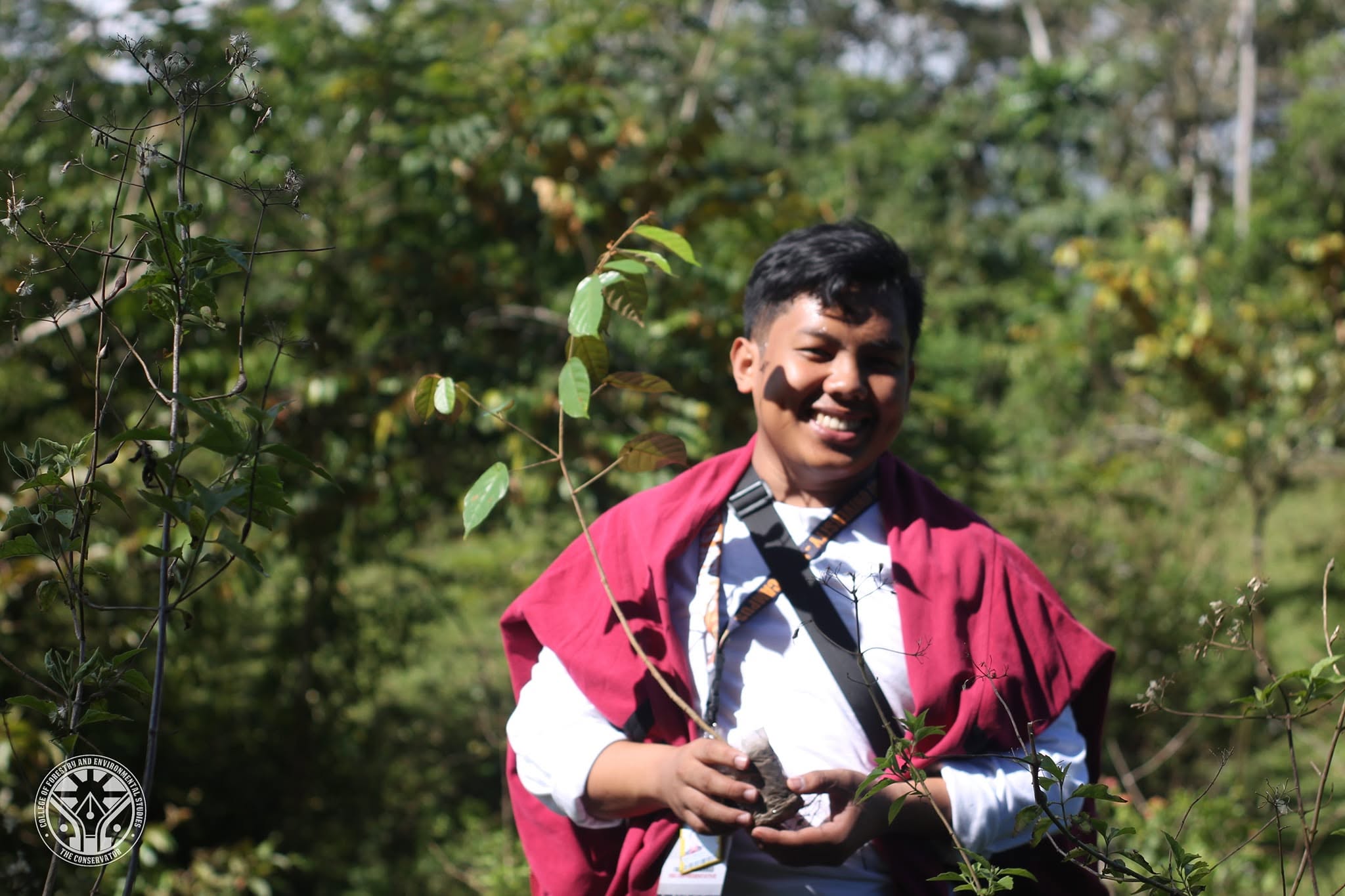
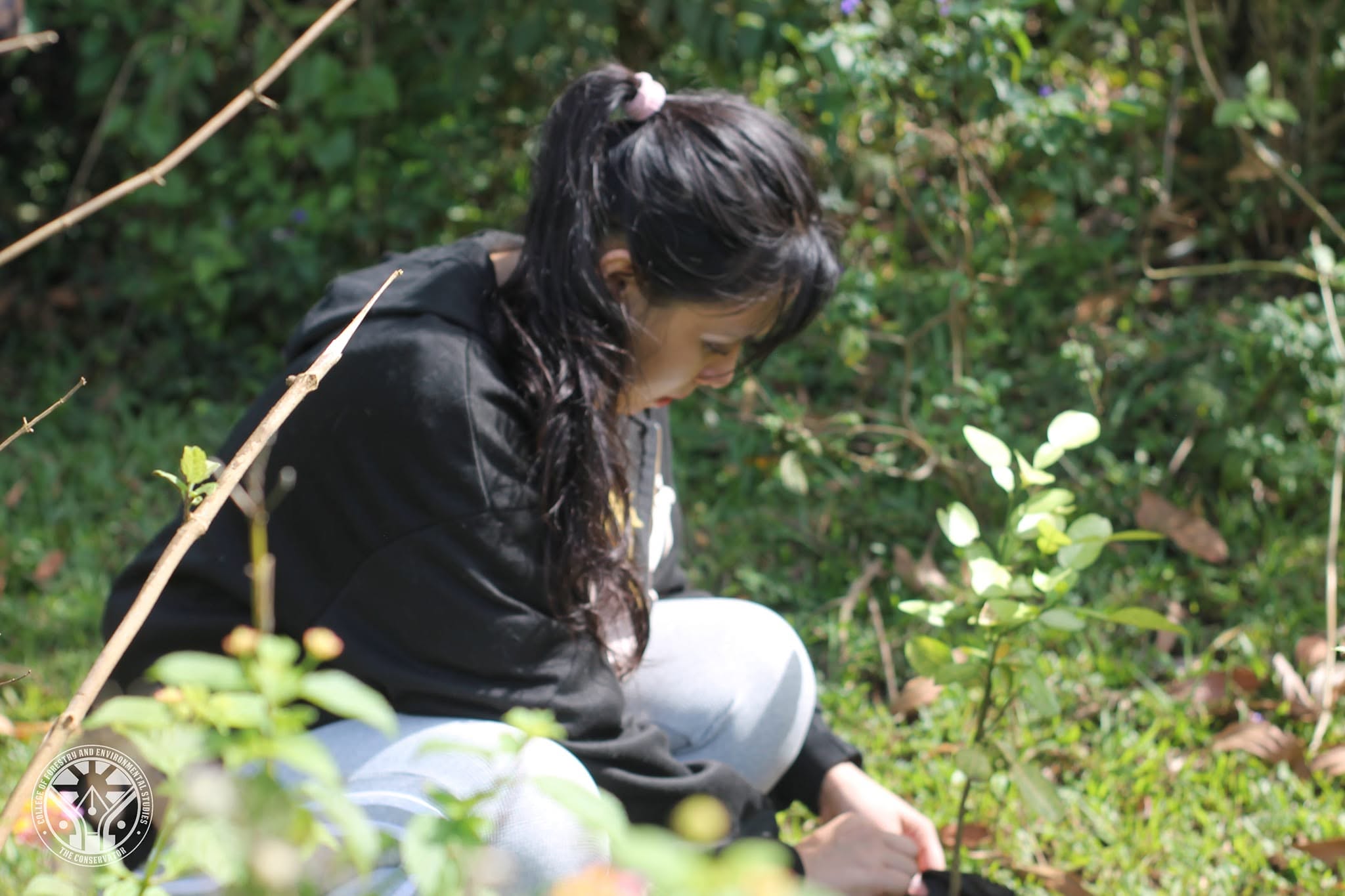
Mindanao State University– Marawi, recognizes the importance of helping students understand sustainability and how their everyday decisions can contribute to a better environment and society. Through its academic programs, university policies, and various campus activities, the University encourages students to become more aware of environmental protection, responsible resource use, social responsibility, and sustainable development. This supports the University’s contribution to Sustainable Development Goal 4, particularly Target 4.7, which promotes education that equips learners with the knowledge and skills needed to support sustainable development.
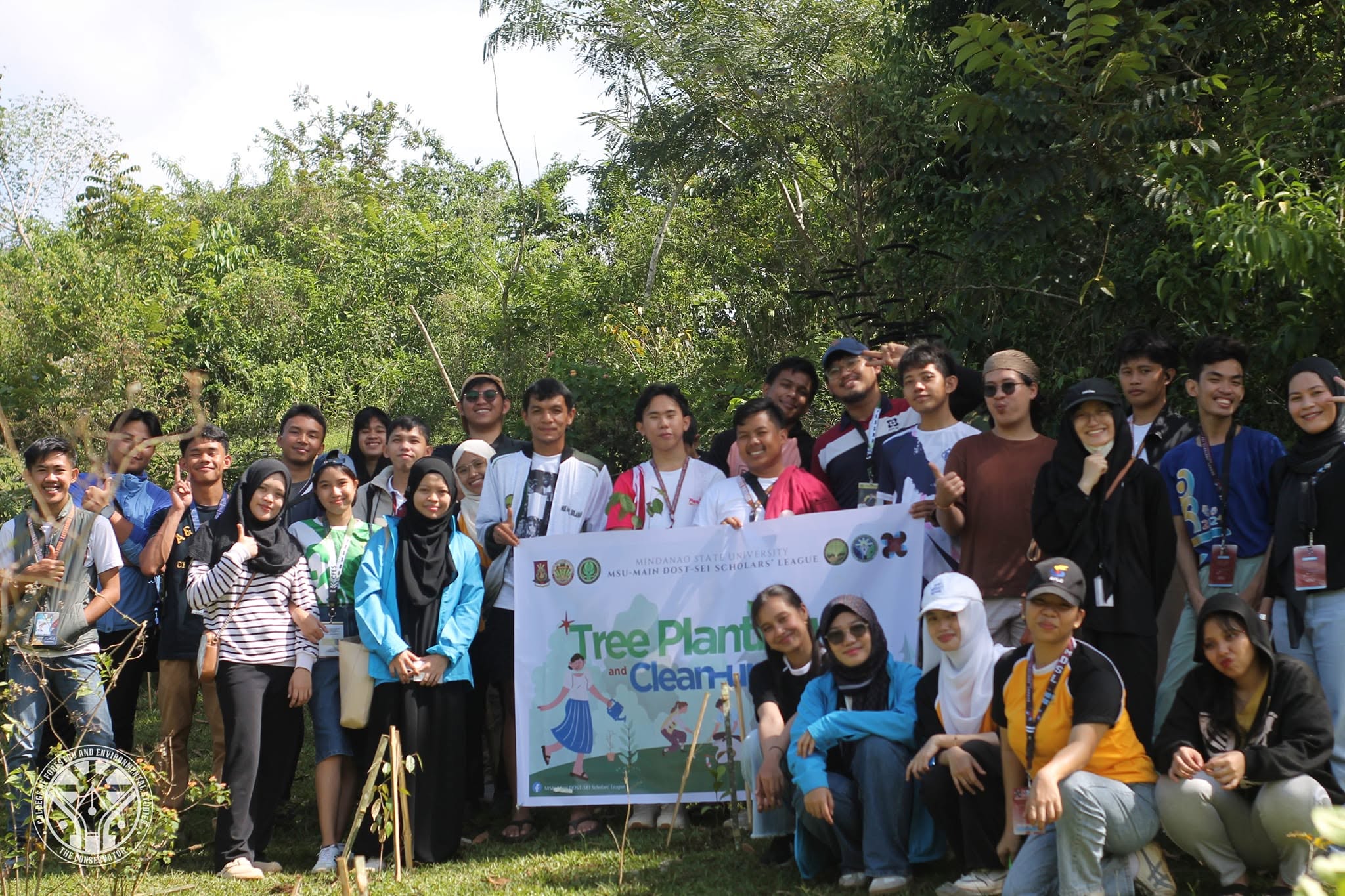
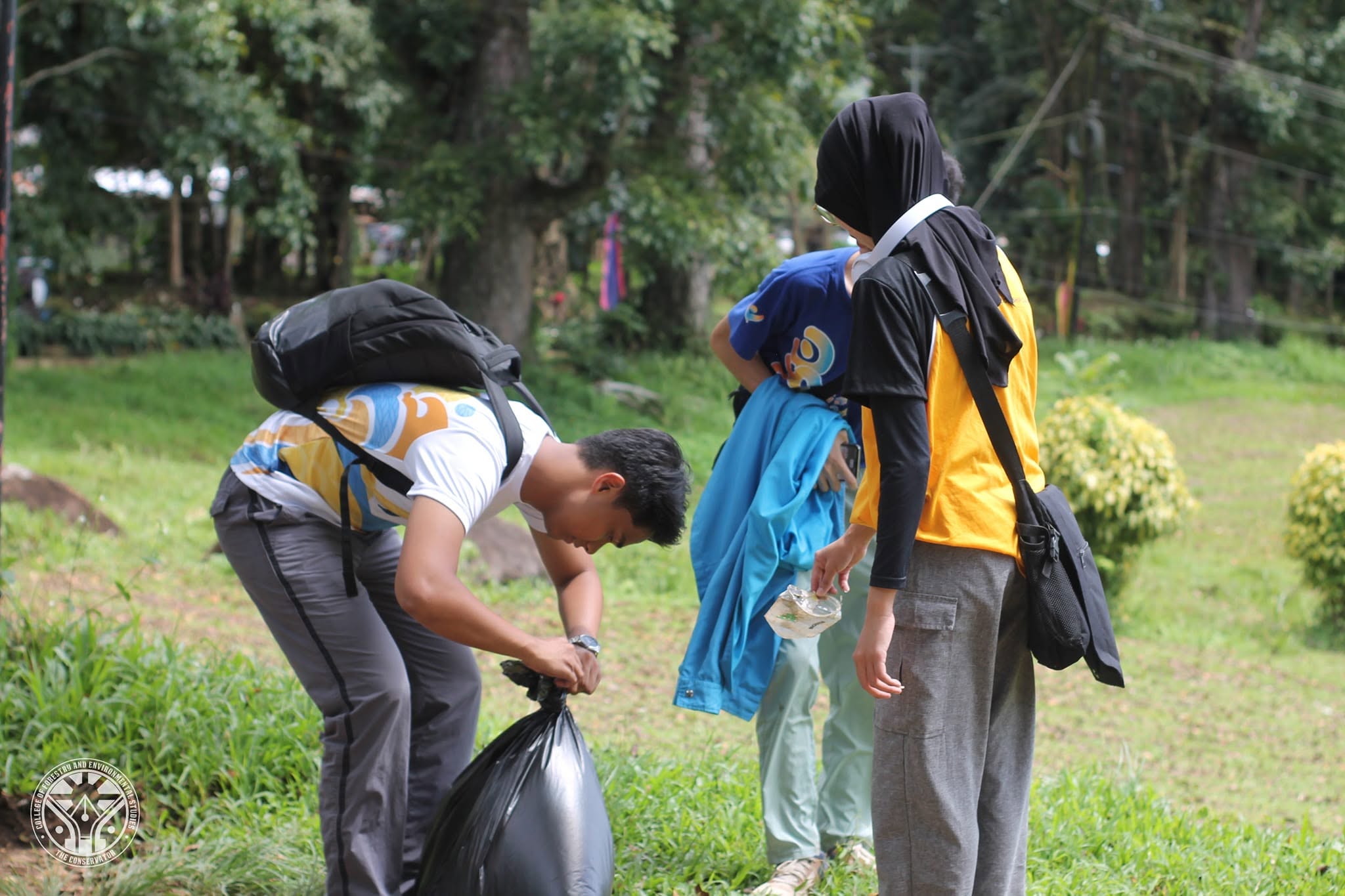
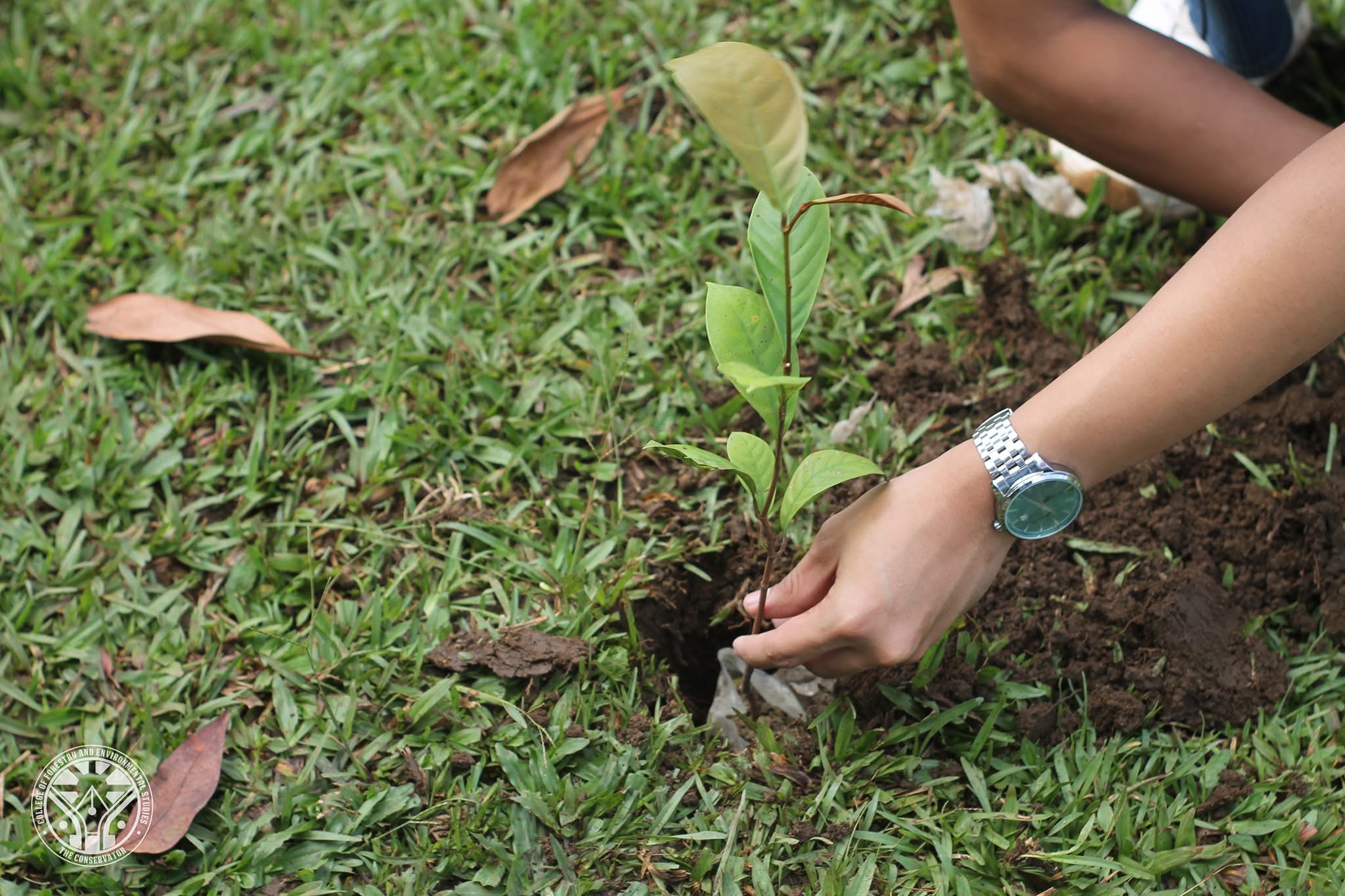
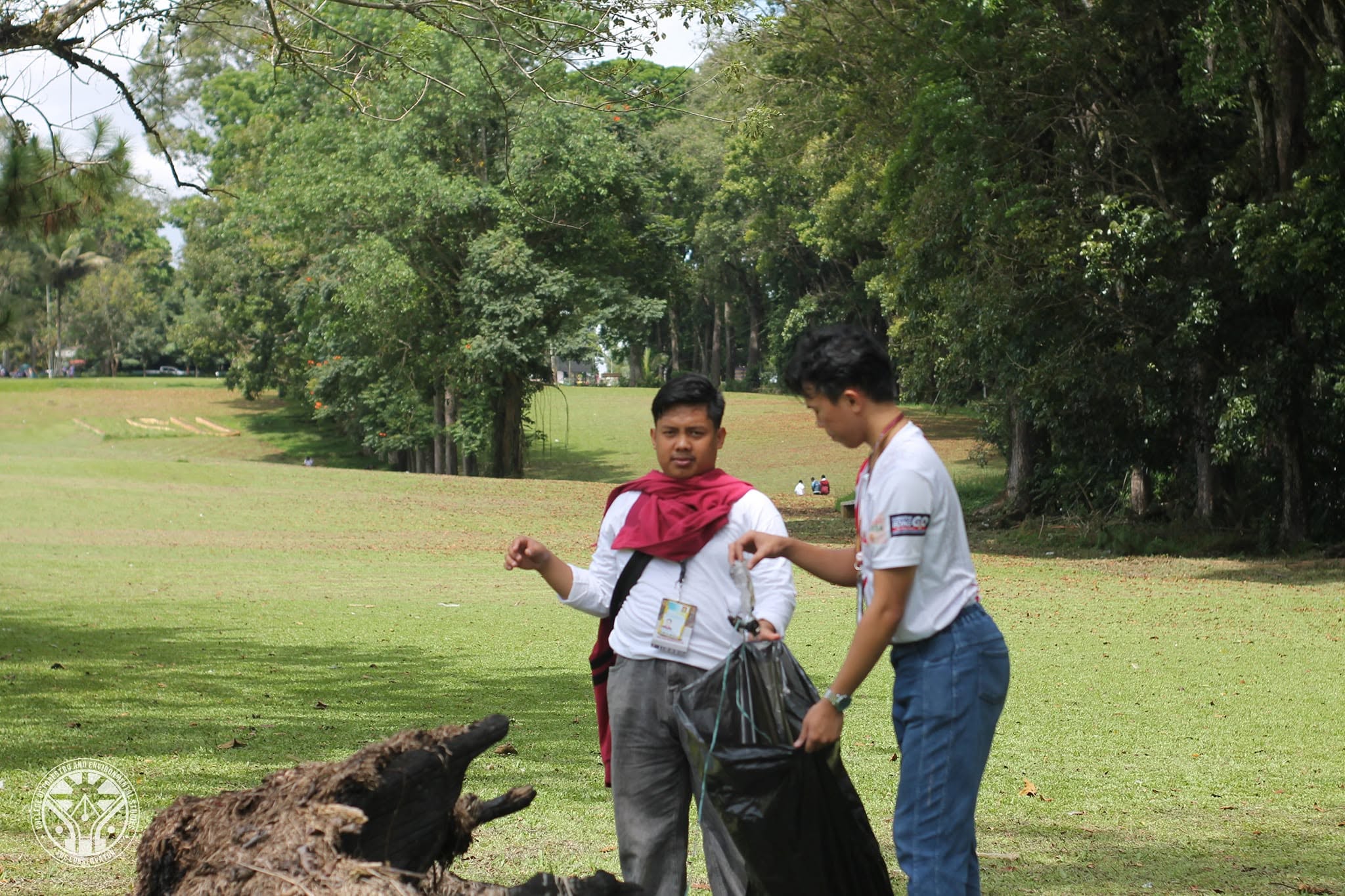
The University’s commitment to sustainability can be seen in its institutional initiatives, including the Sustainability Policy under BOR Resolution No. 358, Series of 2023, and the Zero Single-Use Plastics Policy under BOR Resolution No. 18, Series of 2024. MSU-Main also supports activities such as environmental awareness seminars, tree-planting initiatives, waste management campaigns, and community extension programs. Through these activities, students are given opportunities to learn about sustainability beyond the classroom and understand their role in addressing environmental and social concerns. Issues such as climate change, proper waste disposal, biodiversity conservation, protection of Lake Lanao, and responsible consumption are among the areas that connect sustainability education to the students’ local communities and daily experiences.
The University recognizes that sustainability literacy goes beyond knowing the Sustainable Development Goals. It also involves how students apply what they have learned in their daily lives, make responsible choices, and participate in activities that benefit their communities. Their awareness, understanding, attitudes, and involvement in sustainability-related initiatives are important indicators of their learning and engagement. To strengthen this effort, the University may further develop a more systematic assessment through student surveys, knowledge-based questionnaires, and evaluations of sustainable practices. This would help identify students’ level of understanding, determine areas where additional learning is needed, and measure the impact of the University’s sustainability education initiatives.
Through these continuing efforts, MSU-Main aims to develop graduates who are not only academically prepared but also environmentally responsible, socially aware, and committed to building sustainable communities. By making sustainability part of students’ learning experiences and everyday practices, the University contributes to shaping individuals who can help create positive and lasting change in Mindanao and beyond.